Blog
How to Choose the Best Henna Powder for Mehndi Designs

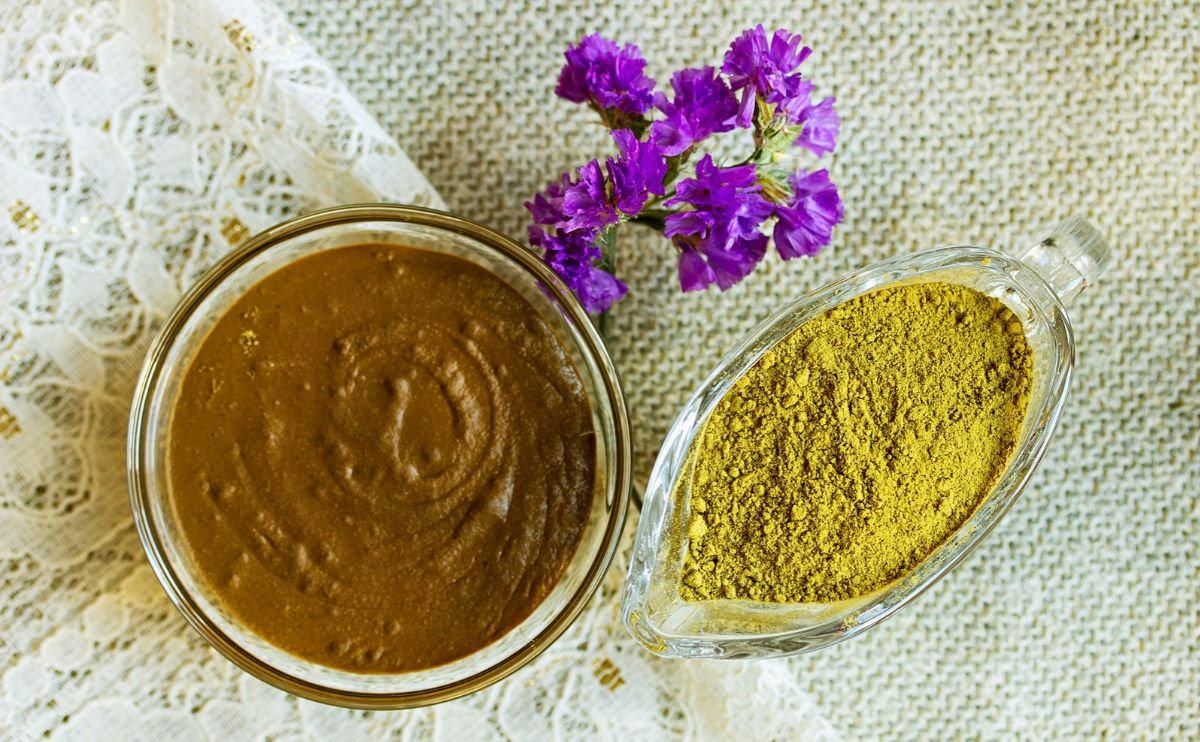
Henna is an essential part of mehndi artistry, whether you are creating simple floral patterns, intricate bridal designs, or practising your cone-control techniques. However, the quality and characteristics of henna powder can influence how easily you prepare your paste, how smoothly it flows through a cone, and the results you achieve on the skin.
With so many options available, choosing the right henna powder can be confusing, especially for beginners. Professional mehndi artists also need to consider consistency, preparation time, and the requirements of different designs.
In this guide, Nahid Mehndi explains the key factors to consider when choosing henna powder for mehndi designs, from texture and freshness to ingredients and suitability for your needs.
1. Check the Quality and Freshness of Henna Powder
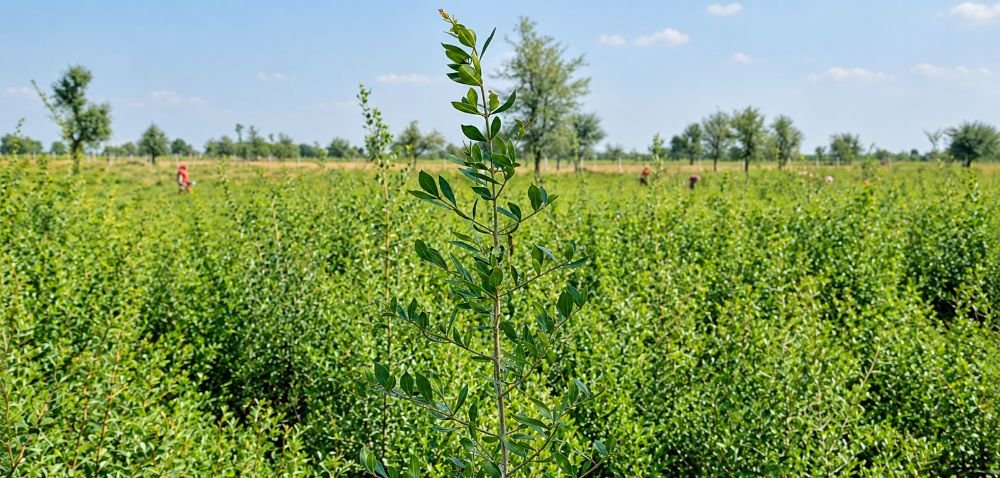
One of the first things to consider when buying henna powder is its quality and freshness. Henna powder is made from the dried and ground leaves of the henna plant (Lawsonia inermis).
Over time, storage conditions and exposure to air, moisture, heat, and light can affect the powder's quality and staining performance.
Before purchasing, consider the following factors:
Packaging: Choose powder in properly sealed packaging that protects it from moisture and contamination.
Storage: Look for products stored in suitable conditions, away from excessive heat and humidity.
Product information: Check the manufacturing or packing date, batch details, and any available best-before information.
Seller transparency: Prefer sellers who provide clear product descriptions and accurate ingredient information.
Freshness alone does not guarantee excellent results, but careful storage and reliable product information can help you make a better choice.
2. Look for a Fine and Consistent Powder Texture
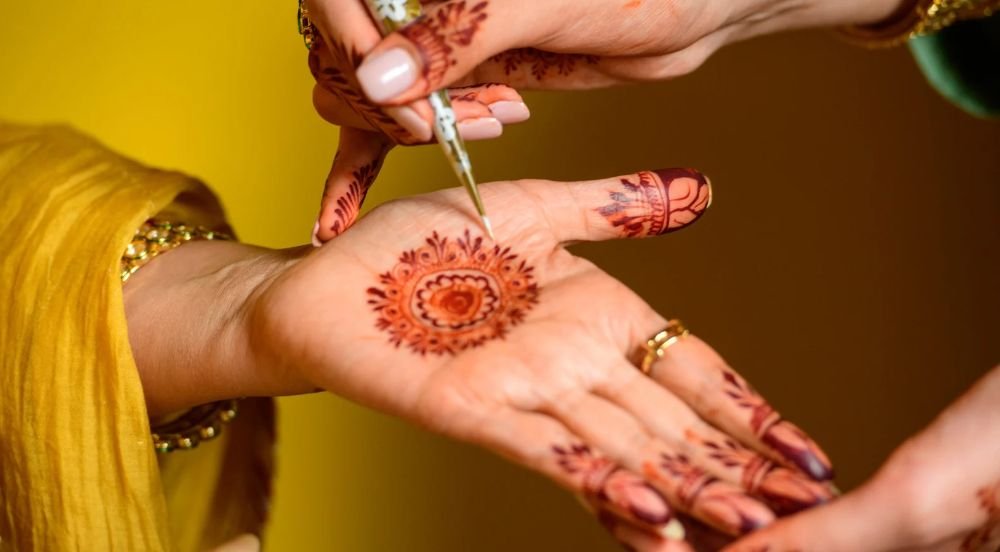
The texture of henna powder is particularly important if you plan to prepare your own henna paste and fill application cones.
Fine, consistently sifted powder can make paste preparation easier and help reduce the presence of coarse particles that may obstruct a narrow cone tip.
Why does fine-sifted henna powder matter?
A suitable powder texture can help you:
Prepare a smoother paste.
Fill henna cones more conveniently.
Practise thin lines and detailed patterns.
Reduce interruptions caused by particles blocking the cone tip.
However, the final flow also depends on the recipe, mixing technique, liquid quantity, paste consistency, and cone opening.
If you are a beginner learning to make your own cones, consider powder specifically described as finely sifted, and check the seller's product details before purchasing.
himenaeos ridiculus a nibh mattis in. Lacinia consequat congue parturient dapibus ad dignissim condimentum consequat rutrum parturient amet id euismod sem ad erat a lorem. Scelerisque sociosqu ullamcorper urna nisl mollis vestibulum pretium commodo inceptos cum condimentum placerat diam venenatis blandit hac eget dis lacus a parturient a accumsan nisl ante vestibulum.
3. Check the Ingredients Before Buying
Reading the ingredient information is an important step when selecting henna powder.
If you prefer traditional henna, look for transparent ingredient information that identifies the ingredients rather than relying only on marketing phrases such as “natural” or “herbal.”
Pure henna powder should contain henna leaf powder without added dyes or other ingredients. However, not every product sold as henna powder has the same formulation.
What should you avoid?
Be cautious with products that have unclear ingredient lists, make unrealistic claims, or do not identify their manufacturer or seller adequately.
In particular, avoid so-called black henna products containing para-phenylenediamine (PPD) for application to the skin. PPD can cause serious allergic reactions and is not an appropriate ingredient for traditional henna skin decoration.
If you have sensitive skin, consider discussing your concerns with a healthcare professional and perform an appropriate patch test according to the product instructions. A patch test cannot guarantee that an allergic reaction will not occur.
Important: Never assume that a product is safe for skin application simply because its packaging says “natural” or “herbal.”
4. Understand Colour and Staining Expectations
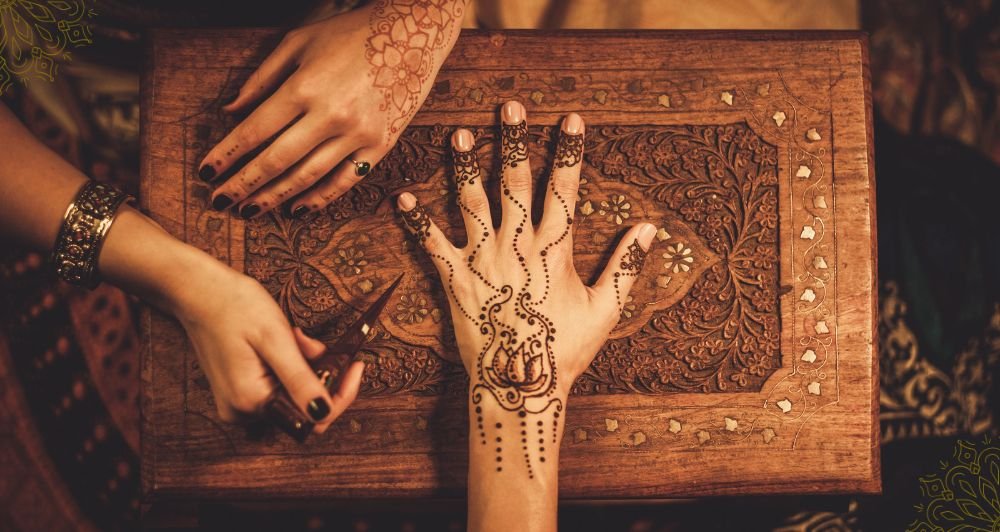
Many people choose henna powder because they want attractive, long-lasting mehndi designs. However, the final stain depends on several factors, including the henna itself, paste preparation, application time, skin location, and aftercare.
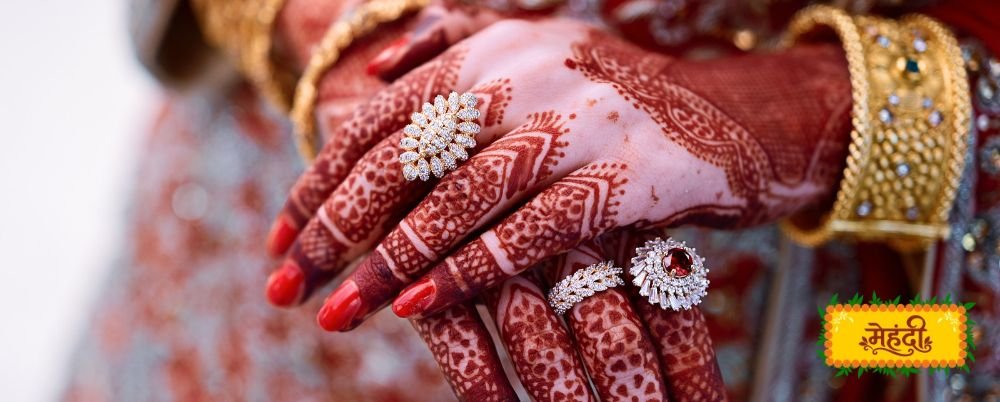
Traditional henna paste generally leaves an orange stain initially. The colour typically deepens over the following 24–48 hours, often developing into a reddish-brown or brown shade.
The final result can vary from person to person.
Factors that influence the stain
Henna quality: The characteristics of the henna powder can influence staining performance.
Paste preparation: Appropriate preparation and resting time, according to a suitable recipe, can affect dye release.
Application time: Keeping the paste in contact with the skin for an appropriate period can influence the result.
Skin location: Stains may develop differently on the palms, fingers, arms, and other areas of the body.
Aftercare: Following suitable aftercare instructions can help you avoid disturbing the design while the stain develops.
Be cautious of products promising an instant, extremely dark stain without explaining their ingredients. A darker stain is not proof that a product is safer or of better quality.
The best choice depends on how you intend to use the powder.
For beginners
If you are learning mehndi, choose a product with clear preparation instructions and transparent ingredient information.
You may want to begin with a manageable quantity so you can practise mixing, cone filling, line control, and basic designs without purchasing more powder than you need.
A beginner's henna kit can also be useful if it includes the accessories you need to practise.
For professional mehndi artists
Professional artists may prioritise consistent texture, reliable product information, suitable packaging, and repeatable preparation results.
If you regularly create intricate bridal designs, test a new batch before using it for an important booking. Keep notes about your preparation method and results so you can identify which products work best for your technique.
For students and regular practitioners
If you practise frequently, compare package quantities, storage instructions, ingredient information, and cost per gram.
Buying a larger quantity is not always more economical if the powder cannot be stored appropriately or used within its recommended period.
6. Learn How to Identify Suitable Henna Powder for Cone Making
If you prepare your own mehndi cones, powder texture and paste consistency deserve special attention.
A paste that is too thick may be difficult to squeeze through a fine cone opening, while a paste that is too thin may spread more than intended and make detailed patterns harder to control.
For better preparation:
Sift the powder if the product instructions or your recipe recommend it.
Add the appropriate liquid gradually rather than all at once.
Mix thoroughly to achieve a consistent paste.
Follow a suitable recipe's resting instructions.
Test the paste on paper before applying it to the skin.
Use a clean cone with an opening suited to your design technique.
Remember that adding more liquid is not always the right solution when a cone becomes blocked. Coarse particles, an unsuitable cone opening, or inconsistent mixing may also be responsible.
If you prefer not to prepare cones yourself, ready-made pre-rolled henna cones may offer a convenient alternative. Check the product description and ingredients before use.
7. Store Henna Powder Properly
Even good-quality henna powder can be affected by poor storage.
To help maintain its condition:
Keep the powder in a tightly sealed, moisture-resistant container or package.
Store it away from direct sunlight and excessive heat.
Avoid introducing water or damp utensils into the package.
Follow the manufacturer's storage instructions and recommended usage period.
Keep the powder away from children and pets.
If the powder develops an unusual smell, visible mould, signs of moisture contamination, or an unexpected change in condition, do not use it.
For longer-term storage, follow the manufacturer's guidance rather than assuming that every henna powder should be stored in the same way.
8. Common Mistakes to Avoid When Buying Henna Powder
Avoid these common mistakes when comparing henna products.
Choosing by price alone: A lower price does not necessarily mean better value. Consider the quantity, packaging, ingredient information, and suitability for your needs.
Ignoring the ingredient list: Always check what the product contains, especially if you intend to apply the paste to skin.
Expecting identical stains from every product: Henna results vary with the powder, preparation, application, and skin location.
Buying too much at once: Start with a quantity you can use and store appropriately, particularly when trying a new product.
Assuming all henna is the same: Products can differ in texture, formulation, freshness, and intended use.
Skipping a test before an important occasion: If you are preparing for a bridal booking or event, test your chosen product and preparation method in advance.
9. Where Can You Find Henna Products for Your Mehndi Practice?
Choosing the right supplies can make learning and practising mehndi more convenient.
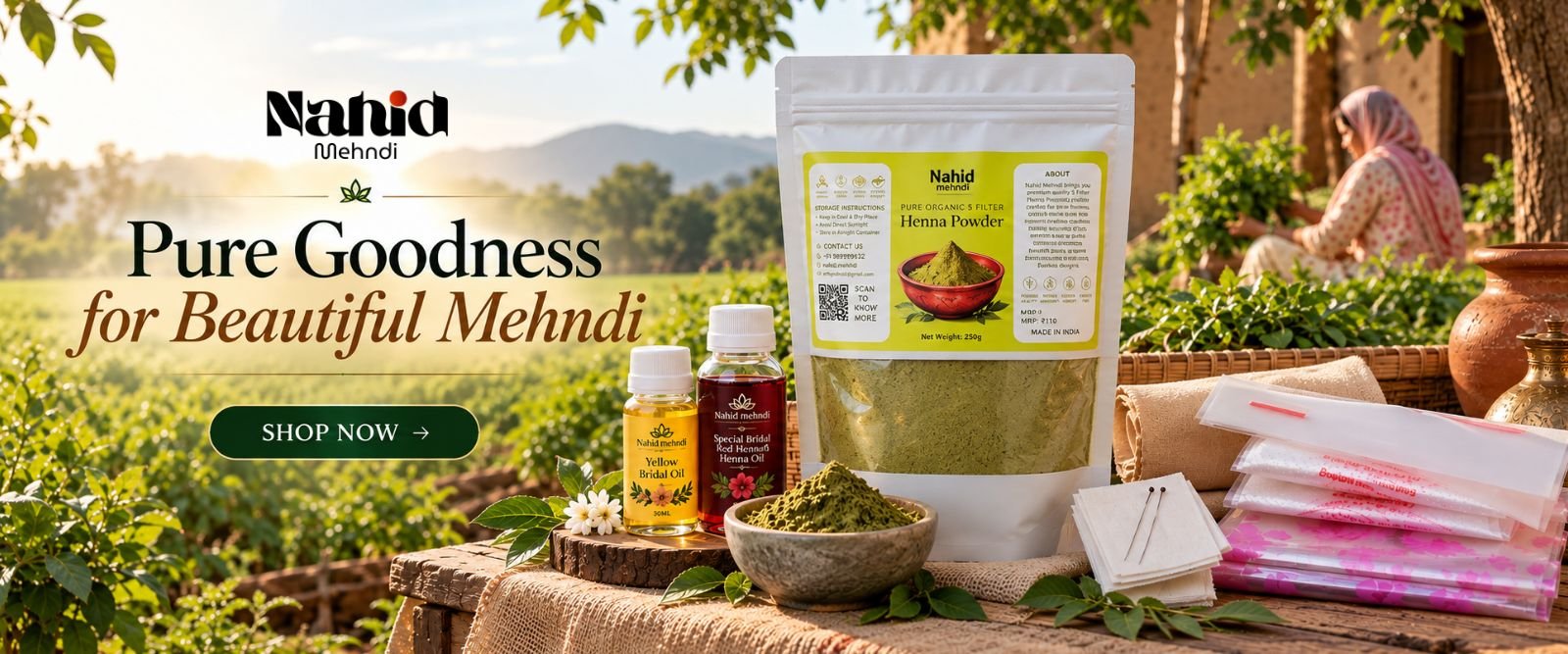
At Nahid Mehndi, you can explore products for different stages of your henna journey, including henna powder, henna kits, bridal oils, and pre-rolled henna cones.
Whether you are practising basic patterns at home or preparing for professional mehndi work, compare the product details carefully and choose supplies suited to your requirements.
Explore our collection:
Henna Powder: Find powder options for your henna preparation needs.
Henna Kits: Explore kits containing selected henna supplies for learning and practice.
Bridal Oils: Browse bridal oil products and review their listed ingredients and intended use.
Pre-Rolled Henna Cones: Discover ready-made cones for convenient application.
Before purchasing, review each product's description, ingredients, package quantity, and instructions to make an informed decision.
Conclusion: Choose Henna Powder with Confidence
Choosing the best henna powder for mehndi designs involves more than selecting a product with an attractive label or a low price. Consider freshness, texture, ingredient transparency, packaging, storage, and how you plan to use the powder.
Beginners can benefit from clear instructions and manageable quantities, while professional artists may prefer products that support consistent preparation and detailed application.
Most importantly, prioritise transparent ingredient information and responsible skin use over unrealistic promises about colour or performance.
Ready to explore your mehndi essentials? Visit Nahid Mehndi to discover our collection of henna powder, henna kits, bridal oils, and pre-rolled henna cones, and choose the products that suit your creative journey.